

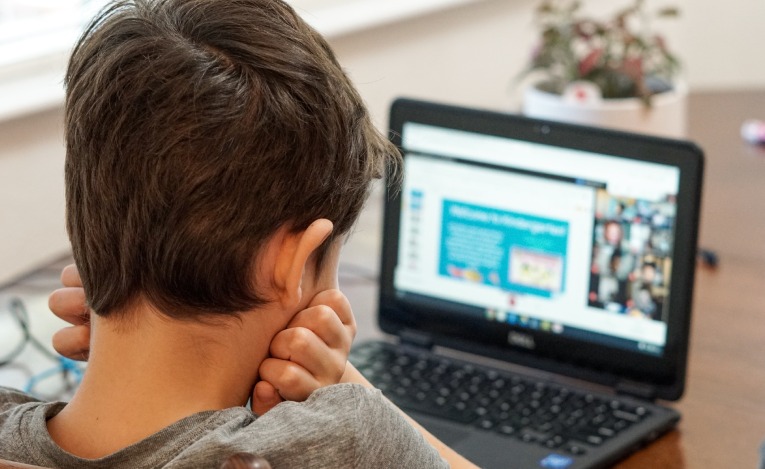
School fatigue in children is a phenomenon many parents observe, sometimes as early as the first weeks of the school year. Less focused, more irritable, or lacking motivation, a child may seem to struggle to keep up with the pace.
Is it a case of temporary fatigue, or the sign of a deeper imbalance? How can you tell the difference, and, above all, how should you respond? At the Galilée Bilingual School, a school recognised for its highly individualised support of students, particularly gifted children, we understand how crucial it is to provide clear, practical answers to these questions. Here are the key insights to help you understand, identify and effectively support school fatigue.
Key takeaways
School fatigue in children is often underestimated, yet certain signs should raise concern. Before taking action, it’s essential to distinguish between temporary tiredness and more serious fatigue. Here are the key points to keep in mind:
- Decreased concentration, irritability, or drowsiness may be normal if they are occasional.
- Persistent fatigue, especially when paired with sleep disturbances or physical complaints, should be taken seriously.
- A healthy sleep routine, balanced nutrition, and regular rest periods are essential to a child’s well-being.
- Parents can take concrete action: lighten the schedule, create a calm environment, and practise active listening.
- The school plays a key role: pedagogical adjustments, a caring atmosphere, and close cooperation with families are essential.
- At Galilée School, everything is in place to support each student according to their needs, in a nurturing and stimulating environment.
Normal signs of school fatigue: when to observe without alarm
Throughout the school year, children often go through temporary periods of fatigue. These visible signs are usually linked to specific events—such as the start of the school year, a demanding pace, or seasonal changes—and tend to fade naturally with a bit of rest. It is therefore important to notice them without becoming unnecessarily alarmed.
Decreased concentration
Difficulty maintaining focus at the end of the day, brief moments of daydreaming or mental drifting in class: these signs often reflect momentary exhaustion, especially during transitions or periods of high demand.
Temporary agitation or irritability
When tired, some children respond with restlessness, outbursts of anger, or increased sensitivity. These behaviours are less about defiance and more about a need to decompress after overstimulation.
Drowsiness at the end of the week or after a change in routine
Frequent yawning, a glazed expression, headaches or eye rubbing may simply indicate that a child needs to recover. Even a short-term disruption in sleep routines can trigger this kind of drowsiness.
Warning signs: when fatigue becomes a concern
While some signs of fatigue are temporary, others should raise concern, particularly when they persist over time or intensify. They may point to a deeper imbalance, whether physical, emotional, or cognitive. In this context, parents and teachers play a crucial observational role.
Persistent sleep difficulties
Trouble falling asleep, frequent night-time awakenings, or recurrent nightmares should not be dismissed. They may indicate ongoing nervous fatigue or heightened stress, and they interfere with the recovery that is essential for effective learning.
Loss of motivation or social withdrawal
When a child appears to lose interest in learning over time, becomes more withdrawn, avoids peers, or adopts a withdrawal posture, this may reflect deeper psychological fatigue that is often underestimated.
Somatisation: headaches, stomach aches, and more
Especially among younger children, chronic fatigue can manifest as repeated physical complaints, particularly in the morning before school. These symptoms may reflect underlying anxiety, emotional distress, or emotional overload.
A sustained decline in academic performance
Prolonged fatigue affects cognitive functions such as attention, memory, and reasoning. If academic results decline without an obvious cause, it is important to seek a broader explanation that goes beyond academic content alone.
What solutions can be put in place at home to reduce school fatigue?
At home, parents play a key role in the prevention and management of school fatigue. A structured daily routine, well-designed rest habits, and attentive listening are the first steps to take.
Establishing a stable sleep routine
Sleep is one of the main pillars of a child’s well-being and academic success. To support optimal recovery, it is essential to set regular bedtimes and wake-up times, maintain a stable room temperature (ideally between 18°C and 20°C), and avoid screens for at least an hour before bedtime.
It is important to note that sleep needs vary by age :
- Preschool (ages 3–5): 10 to 12 hours per day, including a nap.
- Primary school (around age 10): 10 to 11 hours per night.
- Middle school (age 12+): 9 to 10 hours, though teenagers often sleep less than they need.
Lightening the schedule when needed
Too many extracurricular activities, heavy homework loads, or long commutes can quickly exhaust a child. Sometimes, it’s necessary to reassess priorities to protect their energy and preserve the joy of learning.
Creating a calm working environment
A quiet, tidy, well-lit space where the child can concentrate without distractions encourages more peaceful study time. Additionally, providing regular breaks and appropriate tools (simplified exercises, dictated answers, use of a computer) can reduce the cognitive load.
Fostering dialogue and active listening
A child’s words are a valuable indicator of their fatigue level. Listening without judgment helps identify sources of stress or tiredness and respond in a supportive, tailored way.
Consulting professionals if necessary
When your child’s fatigue becomes persistent or is accompanied by physical or emotional issues, it is essential to consult a healthcare professional (pediatrician, psychologist, neuropsychologist) to assess the situation and provide appropriate support.
The school’s role in managing school fatigue
As a structuring part of a child’s daily life, school plays a key role in the prevention and management of fatigue. When a school adapts to each student’s specific needs, it becomes a true partner in supporting their balance and personal growth.
Effective measures include:
- Implementing regular breaks and alternating between different types of activities (academic, artistic, physical) to respect the child’s rhythm.
- Adapting the timetable when needed, including lighter schedules, quiet periods, or personalised adjustments based on the child’s capacity at any given time.
- Providing personalised support through tailored teaching tools, occasional assistance, and the option for oral assessments instead of written ones when appropriate.
- Fostering a caring school environment that values effort as much as achievement, helping each child regain confidence and progress at their own pace.
- Maintaining close collaboration with families and, when necessary, healthcare professionals, to ensure consistent and holistic support.
This is precisely the philosophy of our international school, where the educational approach is designed to respect the fundamental needs of each student – especially gifted children – while offering a stimulating, reassuring, and enriching environment that supports their overall development.Identifying school fatigue in children, understanding its causes, and responding appropriately are essential to preserve their balance, motivation, and love of learning. From preschool through to our bilingual middle school in Paris, we are fully aware of these needs. That’s why we offer personalised teaching, small class sizes, and individual support, so that every child can truly thrive.