

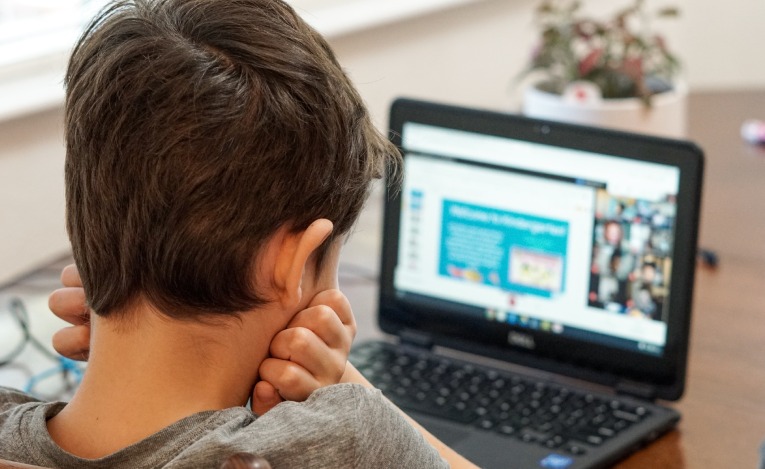
Cyberbullying is a type of bullying that occurs online, particularly on social media. It involves repeated attacks designed to intimate, humiliate or isolate the victim. Unlike traditional bullying, cyberbullying can be incessant. It transcends physical separation, with the victim vulnerable 24/7. The psychological consequences of cyberbullying can be very serious for children, from social reclusion to depression, and in the most severe cases, suicide. With this mounting threat in a world saturated with digital media, parents and teachers need to protect children. Here are a few tips for preventing and fighting cyberbullying.
Protecting Your Child from Rampant Cyberbullying
Explaining What Cyberbullying Is and Risks Faced by Bullies
It is important that children understand what cyberbullying is and why this is a very serious threat. Explain how cyberbullying usually occurs and the psychological violence, or even destruction, that these attacks can create. First of all, your child must understand that they are exposed to this threat because they use the internet and social media. They must know their rights and the importance of protecting themselves. They must also understand how serious these attacks are, so they do not become bullies themselves.
Explain freedom of expression, as well as its limits. Make sure they understand that what they say online can have serious legal consequences because bullying, whether physical or digital (insults, death threats, blackmail, intimidation, defamation, etc.) is punishable by law.
Protecting Your Child from Cyberbullying Risks
If you notice abnormal behaviour (insomnia, sadness, worrying, loss of interest in school, etc.), speak with them and contact the teaching team at their school immediately. These are often the first signs of cyberbullying in children. If you are not sure who to contact if cyberbullying occurs, you can read our article on this issue.
Also be aware of your child’s use of technology: whether they have social media accounts, which ones, how many, how active they are, whether they interact a lot, etc.
Keep an eye on their accounts and messages without policing them, and install parental controls on their mobile phone and computer.
Preventing Cyberbullying at School by Raising Awareness and Educating
In addition to parents, National Education has a key role to play in protecting children from cyberbullying. This is why the Phare program was launched in 2021.
This initiative was created to prevent cyberbullying at all schools. The program measures school climate, trains a protective community, intervenes in cyberbullying cases, engages parents and partners and provides a resource platform based on eight pillars. National Education takes direct action, including training teachers on the MPP method, which promotes cooperative resolution of bullying problems.
There is a specific protocol and 10 hours per year are dedicated to preventing bullying. The program includes three-level certification to assess schools’ commitment, with minimum requirements for all public schools.
Three key events support this National Education initiative against cyberbullying: National Anti-Cyberbullying Day, the Say No to Bullying Award, and Safer Internet Day. Finally, 380 bullying advisors at the Department of Education assist families with bullying issues on-site.
École Galilée is a bilingual school located in Paris that makes preventing cyberbullying an educational priority. In collaboration with teachers, parents and students, the school strives to create a caring, respectful and empathetic environment. We are committed to providing children with a space within which they can flourish, develop their potential and grow with confidence, safe from cyberbullying.
Preventing Cyberbullying: Tips and Technological Initiatives to Improve Safety Online
Here are several tips for protecting yourself and reducing the threat of cyberbullying:
- Block undesirable people: don’t hesitate to block someone who makes inappropriate or bullying-like remarks. This can be a first step to cyberbullying.
- Download protective apps: Bodyguard protects users from hate content on some social media sites (YouTube, Instagram, Twitter, Twitch). This content is automatically filtered. CyberHelp allows children to sound the alarm without waiting for adults if cyberbullying occurs. There is also Stop Bashing, an app that allows the child to capture a shocking or hurtful message and quickly send it to an adult.
- Protect your passwords: to reduce the risk of someone using your child’s social media accounts, or even impersonating them, it is important to not use the same password all the time and change them regularly.
- Make your social media accounts private: you can change your accounts from public to private. This makes it so that unknown or undesirable people can’t access your data and photos.
- Flag hate speech: do not hesitate to flag all inappropriate, racist or defamatory content using the formulas integrated into the social network or on the government’s website Pharos.
- Contact a specialised platform: specialists are available to listen to victims of cyberbullying and assist them in filing a complaint. Call 3020 (No to Bullying) or 3810 (Net Listening).
Submit a content removal request: Google, the number 1 search engine in the world, allows you to submit a content removal request using a form. You have the Right to Be Forgotten.